Table of contents
- Early Life and Background
- Career Beginnings: From Capitol Hill Staffer to Presidential Spokesman
- White House Press Secretary: January 2001 – July 2003
- Post-White House Career: Consulting, Media, and Writing
- Ari Fleischer as a Public Speaker
- Ari Fleischer Net Worth 2026
- Personal Life
- Ari Fleischer Best Quotes
- Frequently Asked Questions About Ari Fleischer
- Conclusion
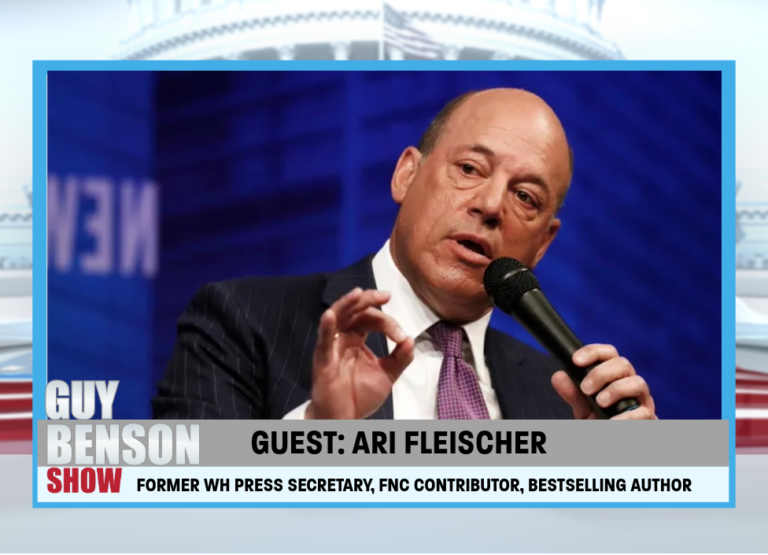
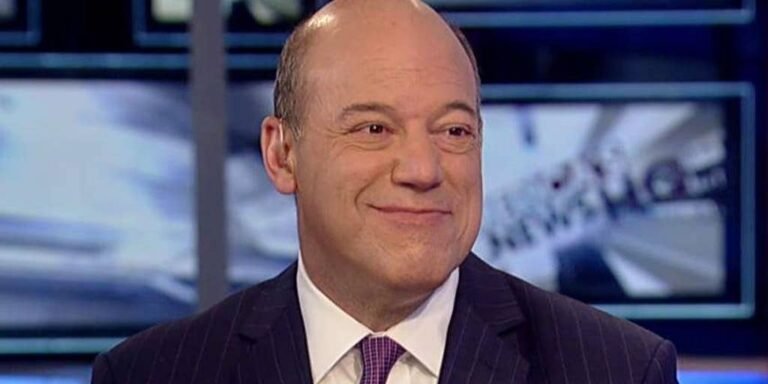
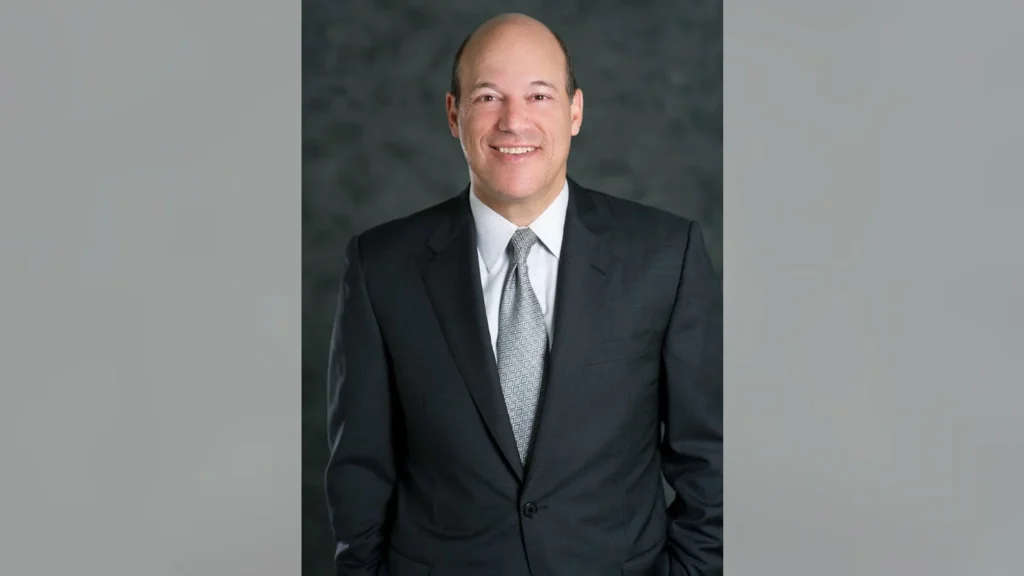
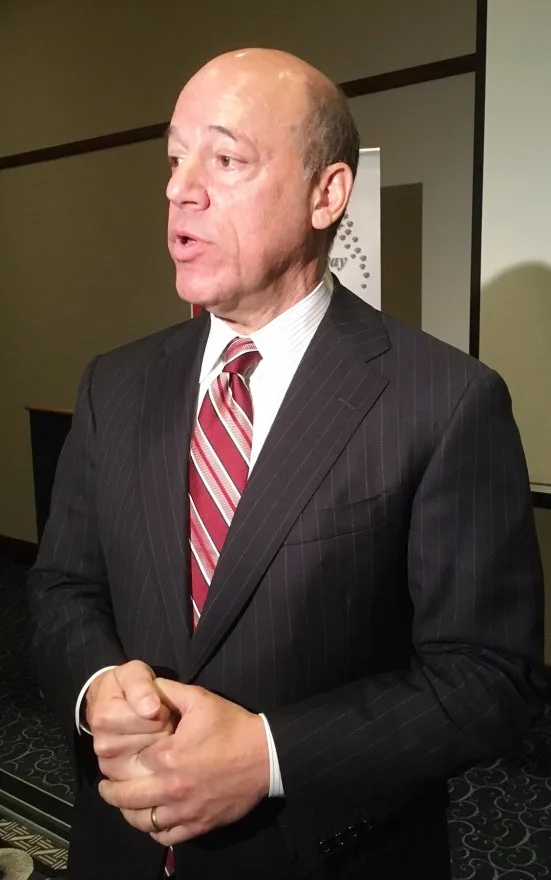
Ari Fleischer stood at the podium of the White House Briefing Room on September 11, 2001, and for the next two years, he was the face and voice of one of the most consequential presidencies in American history. As White House Press Secretary to President George W. Bush from 2001 to 2003, Fleischer navigated the aftermath of 9/11, the build-up to the Iraq War, and daily combat with the Washington press corps. He fielded hundreds of briefings, managed global media crises, and communicated presidential decisions that shaped an era. Few figures in American political communications have worked at such a demanding intersection of power, pressure, and public accountability. Born October 13, 1960, in Pound Ridge, New York, Fleischer has gone on to become a prominent Fox News analyst, crisis communications consultant, author, and in-demand public speaker. This is the complete Ari Fleischer biography, from his New York roots to the West Wing and beyond.
Early Life and Background
Ari Fleischer grew up in Pound Ridge, a small town in Westchester County, New York, a quiet, affluent community about an hour north of Manhattan. He was raised in a Jewish household and has spoken about how his upbringing gave him a strong sense of civic responsibility and a fascination with how government and media interact.
From an early age, Fleischer was drawn to current events, politics, and the art of persuasion. He was the kind of student who paid attention to what was happening in the country, not just in the classroom.
He pursued his academic interests at Middlebury College in Vermont, earning a Bachelor of Arts in Government and History. Middlebury, known for its rigorous liberal arts program, gave Fleischer the analytical foundation he would later bring to high-stakes political communications.
Career Beginnings: From Capitol Hill Staffer to Presidential Spokesman
After graduating from Middlebury, Fleischer moved to Washington, D.C., and began working his way through the machinery of Republican politics. His early career was defined by a series of increasingly prominent communications roles on Capitol Hill.
He served as a congressional staffer before landing a significant position as Communications Director for the House Ways and Means Committee. That role, supporting one of the most powerful committees in Congress, sharpened his understanding of policy, media relations, and the rhythms of the legislative process.
His reputation as a skilled and disciplined communicator grew steadily. By the late 1990s, he was among the most respected Republican press operatives in Washington.
The pivotal break came in 1999, when Fleischer joined Senator Elizabeth Dole’s presidential campaign as press secretary. When Dole withdrew from the race later that year, Fleischer quickly transitioned to the campaign of Texas Governor George W. Bush, a move that would change his life entirely.
- He was named Press Secretary designate for the Bush campaign before the 2000 election was even decided.
- He navigated the extraordinary Florida recount period alongside the Bush team.
- On January 20, 2001, he was sworn in as the 29th White House Press Secretary alongside the new administration.
White House Press Secretary: January 2001 – July 2003
Serving as White House Press Secretary is often described as one of the most gruelling jobs in American government. You are simultaneously the spokesperson for the most powerful office in the world and the daily target of the sharpest reporters in the country.
For Ari Fleischer, that pressure was amplified to historic levels.
The Daily Briefings
Fleischer conducted over 500 press briefings during his tenure. Each one required him to represent the administration’s positions under intense, real-time questioning, with cameras rolling and headlines forming in real time.
He was known for his composure, precision, and an ability to hold the line under pressure without appearing combative. That combination earned him respect across the political aisle, even from reporters who pushed back hardest.
September 11, 2001
The defining moment of Fleischer’s career, and of his generation, came on September 11, 2001.
That morning, he was traveling with President Bush to Emma E. Booker Elementary School in Sarasota, Florida. He was standing nearby when Chief of Staff Andrew Card whispered in the President’s ear that a second plane had hit the World Trade Center. The image of Bush’s frozen expression, with Fleischer watching from feet away, became one of the most iconic scenes in American political history.
He returned to Washington and stood before the press corps in the hours and days that followed, becoming one of the central communicators in the government’s immediate response to the attacks. His job was to convey calm, purpose, and resolve, while the full scope of the catastrophe was still unfolding.
Iraq War Build-up and Resignation
Fleischer was also a key communications voice during the administration’s build-up to the 2003 invasion of Iraq, a period that generated enormous domestic and international debate. He defended the administration’s case for intervention and managed some of the most contentious press briefings of the era.
He resigned in July 2003, roughly five months after the invasion of Iraq began. and cited personal reasons, including a desire to spend more time with his wife and start a family, and left on good terms with the Bush White House. In his own words, he had simply “given everything” the job required and was ready for the next chapter.
Post-White House Career: Consulting, Media, and Writing
After leaving the White House, Fleischer wasted little time building a second career as an independent voice in communications and media.
Ari Fleischer Communications
He founded Ari Fleischer Communications, a strategic communications and crisis PR consulting firm. The firm works with corporations, organizations, and individuals navigating complex public relations situations, a direct extension of the skills he sharpened in the West Wing.
His client list has included work in Major League Baseball, where he served as a media relations consultant during a sensitive period involving performance-enhancing drugs and Commissioner investigations. That assignment demonstrated his ability to apply Washington-style crisis communications to the private sector.
Fox News Political Analyst
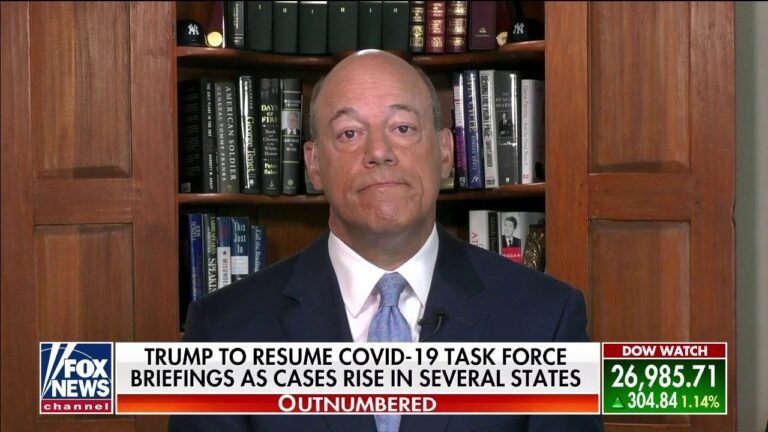
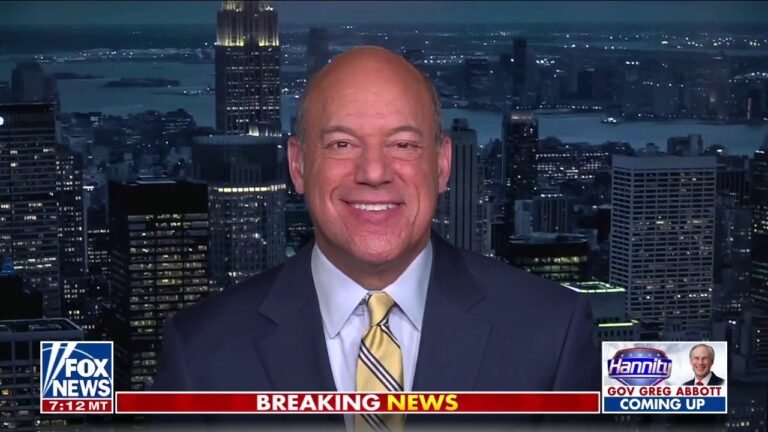
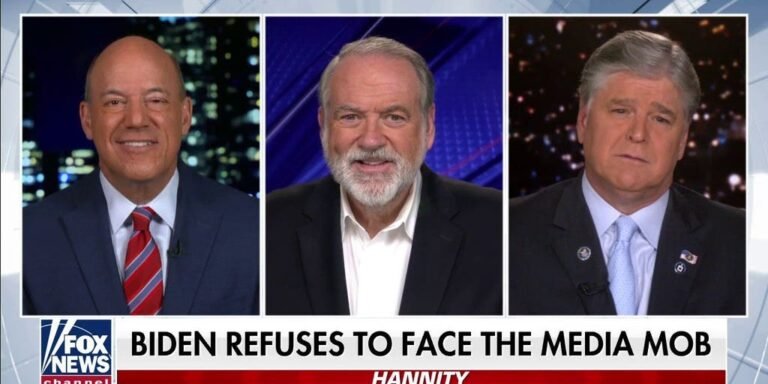
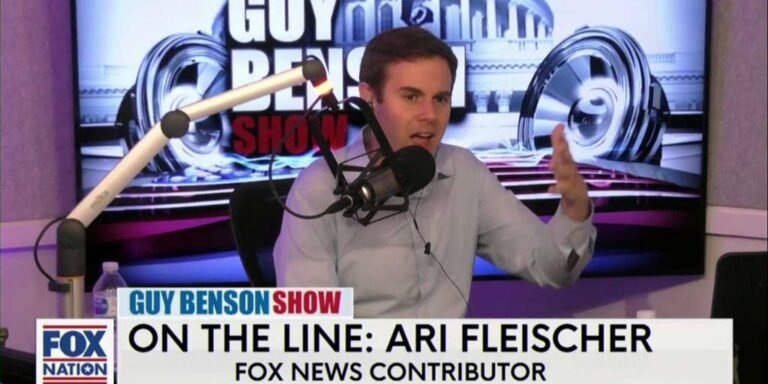
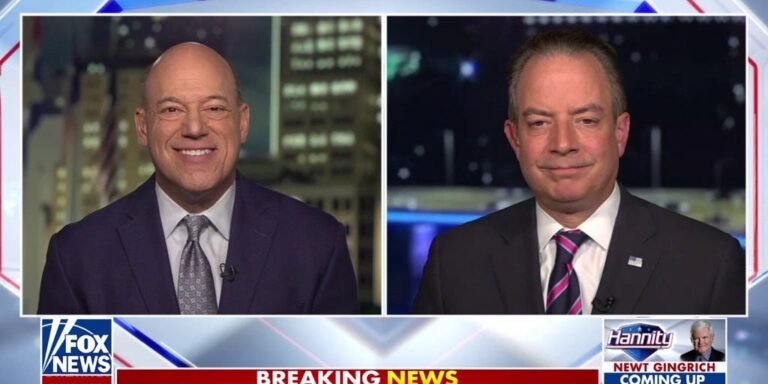
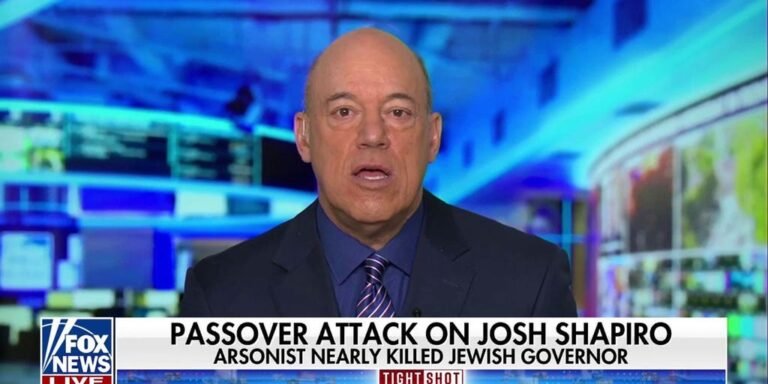
Fleischer became a regular Fox News political analyst, appearing on programs across the network’s line-up to offer commentary on Republican politics, presidential communications, and national security.
He is widely regarded as one of the more substantive voices in political analysis on the network, willing to push back when he disagrees and consistent in his policy-grounded perspective.
Author: Taking Heat
In 2005, Fleischer published Taking Heat: The President, the Press, and My Years in the White House, a detailed, first-person account of his time as Press Secretary.
The book received strong reviews for its candid portrayal of White House press dynamics and its behind-the-scenes look at some of the most consequential moments in recent American history. Moreover, it remains one of the most-read insider accounts of the George W. Bush presidency, offering readers a detailed perspective on the administration and its relationship with the press.
Key themes in Taking Heat include:
- The combative relationship between the White House and the Washington press corps
- The communications challenges of the post-9/11 period
- The personal and professional toll of serving in one of Washington’s most visible roles
- His own political philosophy and views on presidential communications
Ari Fleischer as a Public Speaker
Ari Fleischer is a sought-after public speaker for corporate communications, government affairs, media organizations, and political forums across the United States. Additionally, his extensive White House experience allows him to offer practical insights into crisis communication, media relations, and leadership under pressure. As a result, organizations value his perspective on communicating effectively during high-stakes situations.
Speaking Topics
Fleischer draws on more than two decades at the intersection of politics, media, and communications. His most frequently requested speaking topics include:
- Presidential communications and crisis management, lessons from the Bush White House on speaking under pressure
- 9/11 and national security communications, first-hand account of the communications challenges of the most consequential day in recent American history
- Media relations in a polarized era, navigating a hostile or skeptical press corps with credibility and composure
- Republican policy and political strategy, analysis of the modern GOP, electoral strategy, and governing philosophy
- Crisis communications for corporations, applying White House communications discipline to business situations
- The relationship between government and the press, a nuanced, experience-based look at how power and journalism interact
Who Books Ari Fleischer?
Fleischer is regularly booked by:
- Corporate communications and PR departments seeking real-world crisis communications expertise
- Conservative political organizations and think tanks
- Universities and academic institutions looking for credible insider perspective on the Bush presidency and media relations
- Media industry conferences focused on political journalism and press relations
- National security and foreign policy forums
His appeal crosses professional sectors because his experience, standing at the most visible podium in the world under extreme pressure, translates directly to leadership, communications, and decision-making lessons that resonate far beyond partisan politics.
Ari Fleischer Net Worth 2026
Ari Fleischer’s estimated net worth is approximately $4 million as of 2026. That figure reflects a career that has moved fluidly from public service to the private sector.
Key Income Sources
- Ari Fleischer Communications, His PR and crisis communications consulting firm generates significant revenue from corporate clients and ongoing retainer relationships.
- Fox News, A long-running contributor contract with one of the highest-rated cable news networks in the United States.
- Public speaking fees, As a former White House Press Secretary, Fleischer commands strong speaking fees in the market for political and communications speakers.
- Book royalties, Taking Heat continues to sell, particularly in political science and communications programs.
Fleischer is not among the wealthiest figures in Republican politics, but he has built a stable, diversified income base that reflects his sustained relevance in political media and communications consulting. His net worth stands in reasonable proportion to others who have leveraged senior White House experience into media and consulting careers.
Personal Life
Ari Fleischer married Rebecca Davis in 2001, the same year he began his White House tenure. The two have remained married, and Fleischer has cited his desire to be present as a husband and father as a key reason for leaving the Press Secretary role when he did.
The couple has two children and lives in the New York metropolitan area, where Fleischer is based for most of his consulting and media work.
Fleischer has described his Jewish faith as an important part of his identity and values. Additionally, he has been publicly vocal about his support for Israel and his views on antisemitism. Furthermore, he speaks directly about religious identity and the role it plays in public life and personal values.
Professionally, Fleischer is known for maintaining a frank, disciplined communications style, a quality that has defined him from the White House briefing room to his television appearances. He engages criticism directly and rarely retreats from his stated positions, even when challenged in real time on national television.
He is an active presence on social media, particularly X (formerly Twitter), where he regularly shares political commentary and engages with the news cycle.
Ari Fleischer Best Quotes
Fleischer has offered candid, often memorable observations on the press, the presidency, and American political life. Here are eight of his most widely cited statements:
1. On the press corps and the White House:
“The press wants the White House to fail, and the White House wants the press to fail. Neither does, and that’s how democracy works.” Said during multiple media appearances on the nature of adversarial press relations.
2. On September 11, 2001:
“That morning changed everything. When you’re in the room and you see the President’s face change, you know the world has just changed with it.” From interviews reflecting on 9/11.
3. On the job of Press Secretary:
“Your job is not to be liked. Your job is to be clear, credible, and consistent. If you’re lucky, accurate and timely.” From Taking Heat and subsequent interviews.
4. On communicating under pressure:
“When the stakes are highest, people don’t need spin. They need clarity. They need to trust that what you’re telling them is real.” From corporate speaking engagements on crisis communications.
5. On President George W. Bush:
“He never asked me to say something I didn’t believe was true. That matters. That made the job possible.” From multiple interviews on the Bush White House.
6. On the media’s role in democracy:
“A free press is one of the hardest things to live with and the most dangerous thing to live without.” Widely quoted across interviews and speaking appearances.
7. On crisis communications:
“Every crisis has a first hour. What you do in that hour determines whether you control the story or it controls you.” From corporate speaking engagements.
8. On political polarization:
“People want to be angry more than they want to be informed. That’s the real crisis in American media.” From Fox News appearances on the state of political media.
Frequently Asked Questions About Ari Fleischer
Ari Fleischer is an American political communications expert who served as White House Press Secretary to President George W. Bush from 2001 to 2003. He later founded Ari Fleischer Communications, worked as a Fox News political analyst, authored Taking Heat, and became a public speaker on communications and crisis management.
On September 11, 2001, Ari Fleischer traveled with President Bush in Sarasota, Florida, when the terrorist attacks occurred. He helped communicate the administration’s response and later returned to Washington, where he conducted press briefings during the unfolding national crisis.
Ari Fleischer’s estimated net worth is approximately $4 million as of 2026. His income comes from his communications consulting business, media work, speaking engagements, and royalties from his book Taking Heat.
Yes. As of 2026, Ari Fleischer continues to appear as a political analyst and commentator on Fox News. He discusses presidential politics, communications, national security, and media strategy.
Ari Fleischer speaks about presidential communications, crisis management, media relations, leadership, and communicating under pressure. He draws on his White House experience to help corporate and organizational audiences understand effective communication during challenging situations.
Conclusion
From his early days as a Capitol Hill staffer to the most visible podium in the world, and then into a successful second career as a consultant, analyst, author, and speaker, Ari Fleischer has built one of the more durable careers in American political communications. His Ari Fleischer biography is ultimately a story about showing up under pressure, maintaining credibility through turbulent moments, and finding ways to turn first-hand experience into lasting relevance. Whether you’re a student of political history, a communications professional, or simply curious about the faces behind American power, Fleischer’s story offers a remarkable window into how modern presidencies speak to the world. Discover more profiles like this one and explore what today’s top political and communications speakers bring to the stage.
In the news