
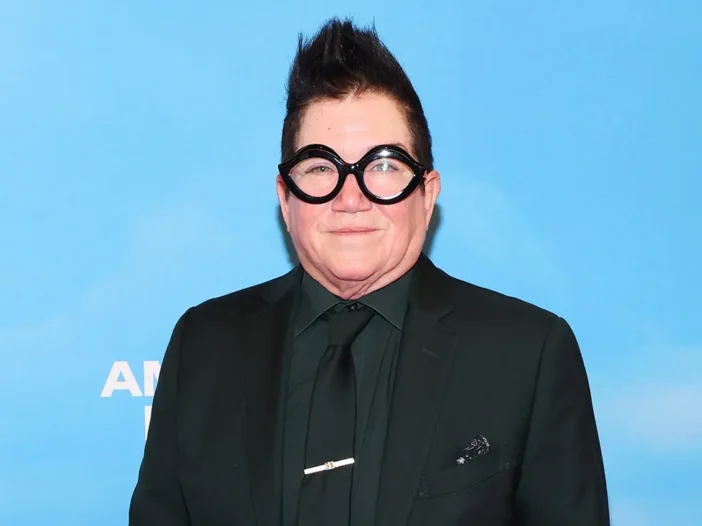
In 1993, Lea DeLaria walked onto The Arsenio Hall Show and made history, becoming the first openly gay comedian to perform on a late-night American talk show. She didn’t whisper it. She announced it. That single, electric moment etched the Lea DeLaria biography into the story of LGBTQ+ America long before most people knew what Pride Month even was. Then came seven seasons of Orange Is the New Black, where her portrayal of Carrie “Big Boo” Black turned her into a global icon of butch lesbian representation. Comedian. Jazz singer. Actor. Activist. Speaker. Lea DeLaria has always defied a single label, and that’s exactly what makes her one of the most consequential queer entertainers of the last four decades. This article covers her early life, career milestones, net worth, personal life, and the legacy she’s still building today.
Quick Facts About Lea DeLaria
| Detail | Information |
| Full Name | Lea DeLaria |
| Date of Birth | May 23, 1958 |
| Birthplace | Belleville, Illinois, USA |
| Nationality | American |
| Height | 5’10” (178 cm) |
| Estimated-Net Worth | $4 million (2026) |
| Partner | Chelsea Fairless (separated) |
| Children | None publicly confirmed |
| Occupation | Actress, Stand-Up Comedian, Jazz Singer, LGBTQ+ Speaker, Activist |
| Known For | Orange Is the New Black (Big Boo), The Arsenio Hall Show appearance (1993) |
Early Life and Background
Lea DeLaria was born on May 23, 1958, in Belleville, Illinois, a small, working-class city just east of St. Louis, Missouri. She grew up in a Roman Catholic family, a background she has referenced extensively in her comedy, mining the tension between Catholic guilt and queer identity for some of her sharpest material.
She came out as a lesbian at just 15 years old, in a time and place where that took a particular kind of courage. The mid-1970s American Midwest was not a welcoming environment for queer youth, and DeLaria has spoken openly about the isolation and hostility she faced. That experience didn’t silence her, it forged her voice.
She pursued her passion for performance, studying theatre and honing her skills in Chicago’s vibrant comedy and arts scene before eventually making her way to San Francisco and, later, New York City. Both cities would become crucial launching pads for her career.
Stand-Up Comedy Pioneer
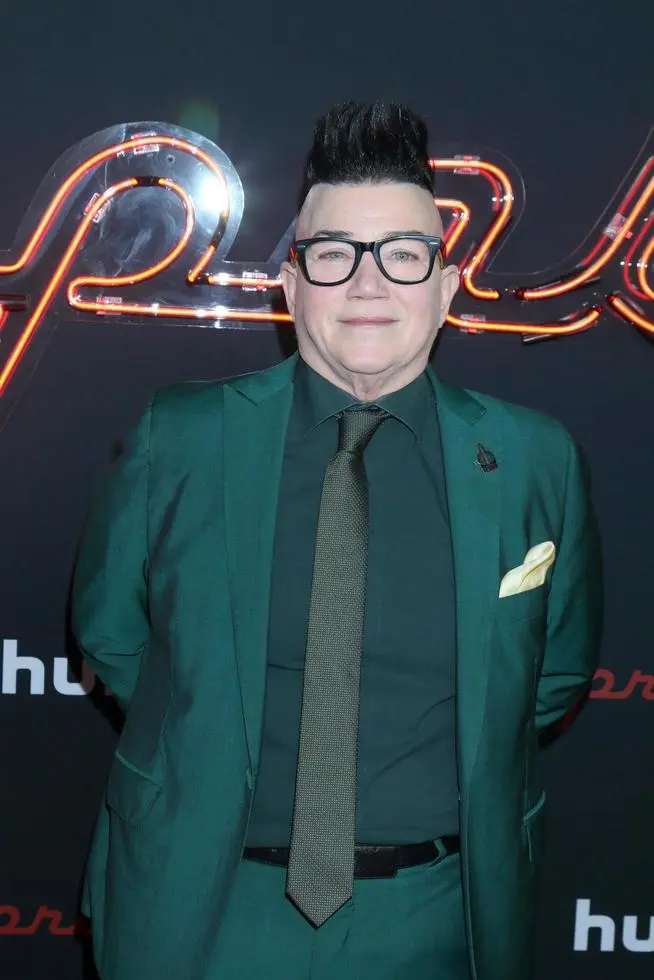
By the 1980s, Lea DeLaria was performing stand-up comedy in clubs across the country, carving out a space for an act that was loud, political, sexual, and entirely unapologetic. Comedy at the time had no room for openly queer voices, certainly not butch lesbian ones. DeLaria made room anyway.
She built a following on the San Francisco and New York comedy circuits, developing a style that blended razor-sharp social commentary with big, physical, room-commanding energy. She wasn’t just funny. She was a force of nature.
Then came The Arsenio Hall Show in 1993 When DeLaria took that stage and performed as an openly gay comedian on prime-time late-night television, it was a watershed moment. No one had done it before. The response, both the support from LGBTQ+ audiences and the controversy from others, underscored exactly how important the moment was.
That appearance is now regarded as one of the landmark events in LGBTQ+ entertainment history. It proved that queer comedians could not only exist on mainstream platforms but could own them.
Orange Is the New Black, Big Boo
If 1993 was the first chapter of Lea DeLaria’s cultural legacy, 2013 opened the second.
When Netflix launched Orange Is the New Black, the ground-breaking prison drama based on Piper Kerman’s memoir, DeLaria joined the ensemble cast as Carrie “Big Boo” Black, a tough, queer, unashamedly butch inmate at Litchfield Penitentiary.
The Character: Carrie “Big Boo” Black
Big Boo quickly became one of the show’s most beloved figures. She was funny, fiercely loyal, morally complicated, and, crucially, represented a type of queer woman almost never seen in prestige television: butch, unapologetic, visible.
DeLaria brought warmth and dimension to a character who could have been a caricature. Big Boo got storylines, backstory, vulnerability, and genuine arcs across the show’s run. For butch lesbians watching, it was, as many described it, the first time they had truly seen themselves on screen.
Seven Seasons, Lasting Impact
DeLaria appeared in all seven seasons of Orange Is the New Black, from its premiere in 2013 through its finale in 2019. Her performance earned widespread critical praise and cemented her status as a serious dramatic actor, not just a comedian.
The show won numerous awards and broke streaming records. For DeLaria, it brought global recognition that translated into a new generation of fans, speaking engagements, media appearances, and continued advocacy opportunities.
Cultural Significance
Big Boo’s presence on OITNB contributed directly to a broader cultural conversation about butch lesbian representation. Television in 2013 was beginning to improve its LGBTQ+ portrayal, but butch women remained largely invisible. DeLaria, and the writers who developed the character, changed that calculus.
Jazz Recording Career
Here’s something many fans of Big Boo don’t know: Lea DeLaria is a seriously accomplished jazz vocalist.
Music has always been part of her identity. DeLaria has released multiple jazz albums throughout her career, showcasing a rich, powerful voice and a genuine command of the genre. Her recordings include:
- “Play It Cool” (2001), a debut studio album that drew strong critical reviews for its authentic jazz sensibility.
- “House of David” (2015), a tribute to the David Bowie songbook reimagined through a jazz lens, which became one of her most celebrated musical projects.
- “Wicked Little Town”, a tribute album to the songs of composer Stephen Trask.
DeLaria has performed her jazz act at clubs, festivals, and Pride events. She has spoken about music as central to who she is, not a side project, but a parallel calling. Her ability to move between stand-up, acting, and jazz performance reflects the breadth of her artistic identity.
Lea DeLaria as a Public Speaker
Beyond stages and screens, Lea DeLaria is a sought-after public speaker, particularly within LGBTQ+ advocacy, higher education, and corporate DEI contexts.
Speaking Topics
DeLaria’s speaking work covers a focused and powerful range of themes:
- LGBTQ+ history and visibility, her personal journey through four decades of advocacy, and the cultural shifts she has witnessed and driven.
- Coming out and authentic identity, sharing her own story of coming out at 15 and navigating a world not yet ready for her.
- Comedy as activism, how humour can be a tool for social change, challenging power, and creating community.
- Surviving discrimination and thriving, addressing hostile environments, institutional bias, and the resilience required to persist.
- Queer joy as resistance, the political and personal importance of joy, visibility, and refusing to be diminished.
Who Books Lea DeLaria?
DeLaria is regularly booked by:
- University LGBTQ+ canters and student organizations, particularly during Pride Month, National Coming Out Day, and LGBTQ+ History Month.
- Corporate DEI programs seeking high-profile, authentic voices on LGBTQ+ inclusion.
- Pride festivals and community events across the United States.
- Theatre and arts organizations exploring the intersection of performance and identity.
Her combination of lived history, entertainment credibility, and raw, joyful presence makes her a uniquely compelling speaker. She doesn’t lecture, she connects.
Lea DeLaria Net Worth 2026
Lea DeLaria’s estimated net worth in 2026 is approximately $4 million. That figure reflects a career built across multiple revenue streams over more than four decades in entertainment.
Income Sources
- Orange Is the New Black salary, seven seasons of a globally streamed Netflix original series represented significant earnings, particularly as the show grew into one of the platform’s flagship properties.
- Stand-up comedy, Touring, residencies, and club appearances have been a consistent income source since the 1980s.
- Jazz recording and performances, Album sales, streaming royalties, and live music engagements contribute to her income.
- Speaking fees, Professional speaking engagements, particularly at universities and corporate events, typically command fees in the range of $10,000–$30,000 per appearance for established entertainers at her profile level.
- Television and film appearances, DeLaria has made numerous appearances beyond OITNB, including The First Wives Club (1996), In & Out (1997), and various television guest roles.
- Brand partnerships and advocacy work, LGBTQ+-aligned brands and organizations have periodically partnered with DeLaria given her authentic authority in the space.
DeLaria has never been primarily motivated by wealth accumulation; she’s talked publicly about choosing meaningful work over lucrative work throughout her career. Her net worth reflects a long career of doing both.
Personal Life
Lea DeLaria identifies as a butch lesbian and has been open about her identity since she was a teenager. That openness, radical in its time, has never wavered across four decades of public life.
She was previously in a relationship with Chelsea Fairless, a fashion editor and designer known for her work in the fashion industry. The couple were engaged but later separated; DeLaria has addressed the end of the relationship in interviews with characteristic candour and humour.
DeLaria has spoken extensively about living in New York City, which has long been her home base. The city’s culture, nightlife, and creative community have been inseparable from her identity as a performer and activist.
Her personal values center on authenticity, joy, and visibility. She has been vocal about:
- The ongoing need for LGBTQ+ representation in entertainment and media.
- The importance of butch lesbian visibility specifically, a group she argues remains underrepresented even within broader LGBTQ+ media progress.
- The role of humour in surviving and transcending prejudice.
- Her Catholic upbringing and the complex relationship between organized religion and queer identity.
She is known for her uncompromising directness, both on stage and off. For DeLaria, there has never been a version of herself available for public consumption that was smaller, quieter, or more acceptable. That’s the whole point.
Lea DeLaria Best Quotes
On coming out:
“I came out when I was fifteen. Not because it was brave. Because I couldn’t not.”
On her Arsenio Hall Show appearance:
“I walked out there knowing it mattered. I didn’t know how much until the letters started coming in.”
On butch visibility:
“People always want the lesbian who’s palatable. I am not that lesbian, and I refuse to be.”
On comedy as activism:
“Every time I made an audience laugh at something they were afraid of, I changed something. That’s not nothing. That’s everything.”
On Big Boo:
“Big Boo gave butch women a seat at the table. A real one. Not as the punchline, as the person.”
On LGBTQ+ progress:
“We have come a long way. We have a long way to go. Anyone who tells you different is selling something.”
On joy:
“Queer joy is political. Don’t let anyone make you apologize for being happy.”
On identity:
“I am loud, I am gay, I am unapologetic. In that order. On a good day.”
Frequently Asked Questions
Yes. Lea DeLaria publicly identifies as a butch lesbian and has been openly gay since she was 15 years old. She came out in the mid-1970s in Illinois, a time and place where doing so required real courage. DeLaria has been one of the most visibly and unapologetically queer figures in American entertainment for over four decades, and her identity is central to her comedy, her activism, and her public persona.
Lea DeLaria is best known for playing Carrie “Big Boo” Black in Netflix’s Orange Is the New Black across all seven seasons (2013–2019). She is also celebrated as the first openly gay comedian to perform on a U.S. late-night talk show, appearing on The Arsenio Hall Show in 1993. Beyond acting, she is a professional jazz vocalist, stand-up comedian, LGBTQ+ activist, and public speaker.
Lea DeLaria’s estimated net worth is approximately $4 million as of 2026. Her wealth comes from multiple sources: her seven-season run on Orange Is the New Black, decades of stand-up comedy touring, jazz albums and live music performances, professional speaking fees (typically $10,000–$30,000 per appearance), and various film and television roles throughout her career. She is not among the highest-paid entertainers but has sustained a long and diversified career.
Yes, Lea DeLaria is a trained and accomplished jazz vocalist with a recording career spanning decade. Her notable albums include Play It Cool (2001) and House of David (2015), a jazz reimagining of David Bowie’s catalog. She has performed jazz at clubs, festivals, and Pride events throughout the United States. Music is not a side hobby for DeLaria, it is a core part of her artistic identity alongside comedy and acting.
Lea DeLaria speaks on LGBTQ+ history and visibility, coming out, comedy as a tool for social change, surviving discrimination, and queer joy. She is booked regularly by universities, corporate DEI programs, and Pride organizations. Her speaking style is personal, direct, and frequently funny, drawing on her four decades of experience as an openly gay public figure navigating American culture at its most hostile and most celebratory.
Conclusion
The Lea DeLaria biography is, at its core, a story about refusing to be invisible. From coming out at 15 in small-town Illinois, to cracking the Armor of late-night television in 1993, to giving butch lesbians their most beloved TV character in Orange Is the New Black, DeLaria has spent her entire career insisting on her own existence, loudly, joyfully, and without apology. She is a comedian, a jazz singer, an actress, an activist, and a speaker whose legacy spans generations of LGBTQ+ culture. Whether you first encountered her as Big Boo, as a jazz vocalist, or as a pioneering comedian, one thing is clear: Lea DeLaria changed things. She is still changing them.
Leave a Reply